The Lee Fire is on track to surpass the historic Hayman Fire as Colorado research shows wildfires are growing larger, faster, and more frequent in a new era of megafires.
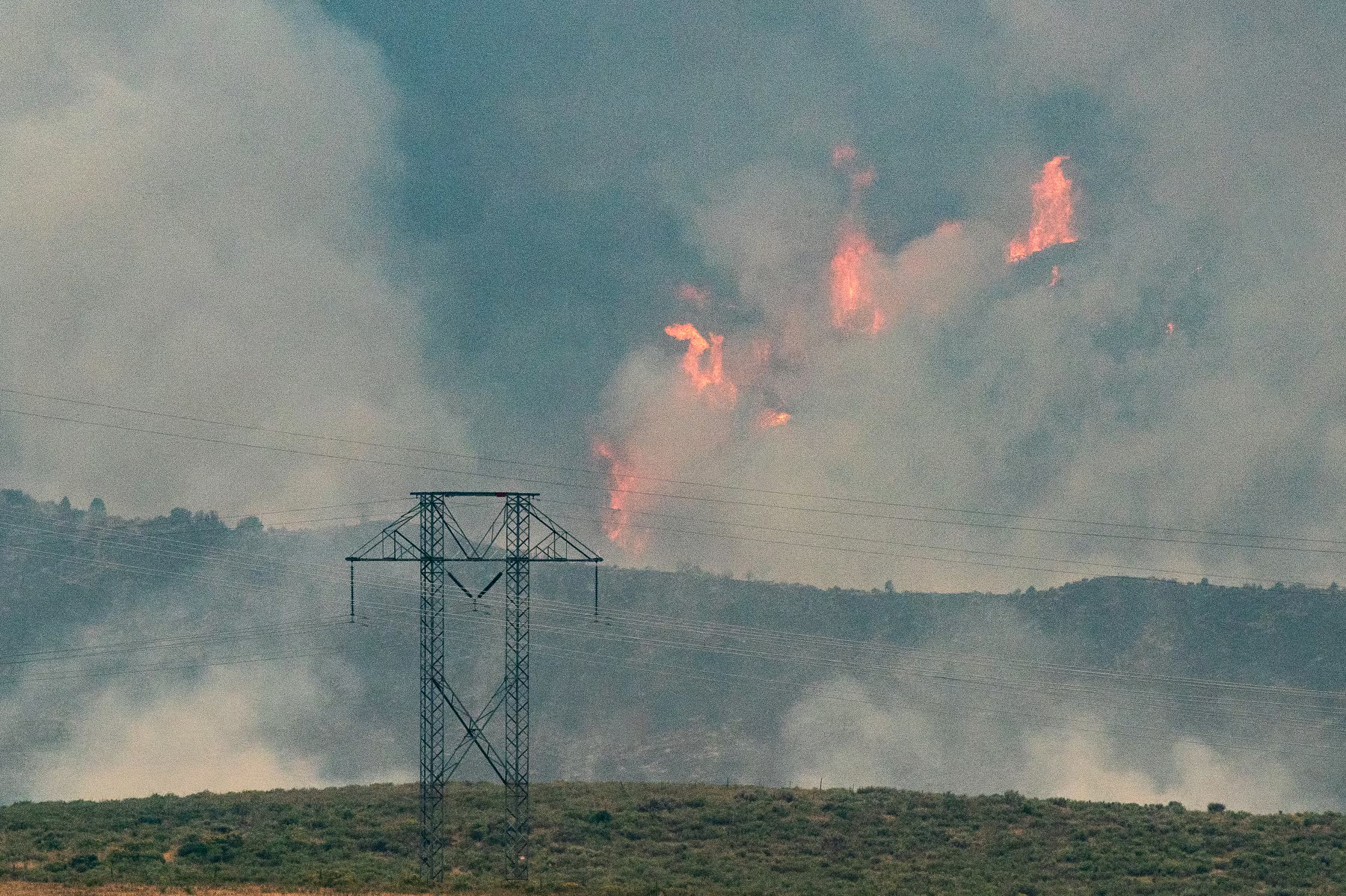
The Lee Fire burning in western Colorado is just two acres shy of overtaking the size of the 2002 Hayman Fire, currently ranked as the fourth-largest fire in state history.
The blaze, in other words, is shaping into a record-breaking fire during a record-breaking season. But new research illustrates that bigger, hotter, faster fires are just becoming the new norm.
All five of the largest fires in state history have taken place within the last 23 years. Of the 10 largest fires in state history, eight took place since 2012, with three in 2020 alone.
A new analysis from Colorado State University compiled data on wildfires in Colorado from 1990 to 2023 from the National Interagency Fire Center.
Ph.D. candidate in economics, Thomas Gifford, said the findings were stark: the average acreage for a single wildfire has increased to nearly 1,800 acres—up from 1,100 acres in the 1990s.
“Wildfires in Colorado are becoming more frequent. They're getting larger on average, and generally year to year, there's more unpredictability in the fire cycle,” Gifford said.
State climatologist Russ Schumacher said western Colorado is currently the epicenter of a deep, ongoing drought, which “set the stage for these big, fast-growing wildfires.”
Colorado only entered a new era of megafires in the last few decades. As of the late 1980s, Schumacher said the state’s largest fires on record were around 15,000 acres, a small fraction of the biggest fires currently burning across the state.
Some counties, including Larimer and Grand, have seen more than 15 percent of their total land area burned since the 1990s.
Gifford used fire perimeter data to select just for larger fires—to eliminate data on small backyard fires, or firepits—and because such records extended back to the 1990s.
“Back in the ’90s, Colorado had on average a dozen fires a year,” Gifford said. “But in the 2020s, the average number of total fires per year has increased to 72, about a sixfold increase.”
A small number of large fires have accounted for the vast majority of burned acreage.
Source: https://www.cpr.org/2025/08/29/colorado-wildfires-bigger-burning-faster-data-shows/
Wood production is a complex and vital industry that involves the cultivation, harvesting, processing, and utilization of wood for various purposes. It serves as a cornerstone in numerous sectors.
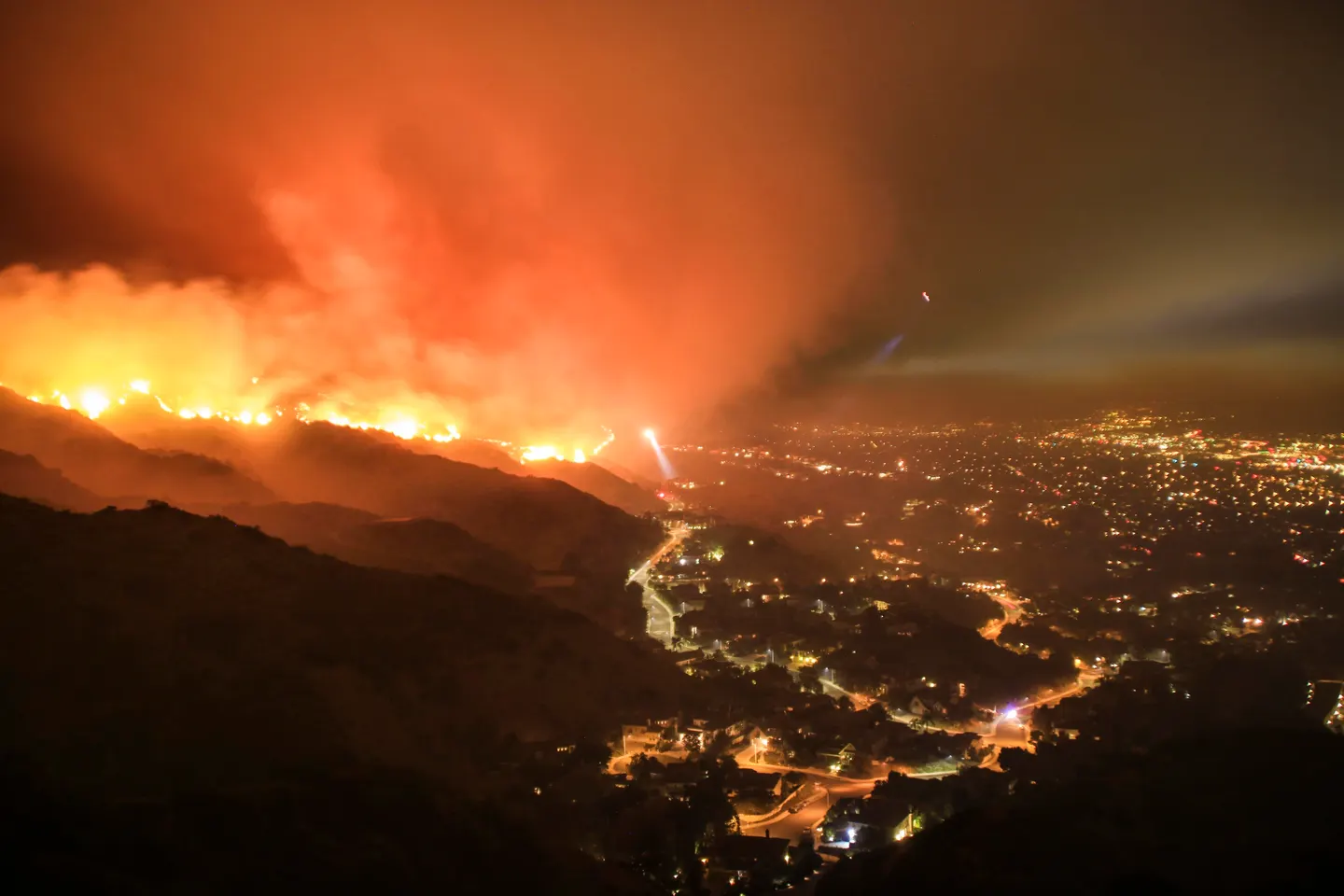
California wildfire victims face complex and sometimes unexpected tax consequences on insurance and lawsuit recoveries, with temporary federal exemptions ending after 2025. California recently enacted and amended broad tax exclusions under Sections 17138.7 and 23409.2, extending tax-free treatment to most wildfire settlements received from 2021 through 2030, including direct settlements and trust distributions. Although the definition of a qualifying wildfire is now more specific, most major fires meet the criteria, making the new state-level relief widely accessible even as federal benefits expire.
Read More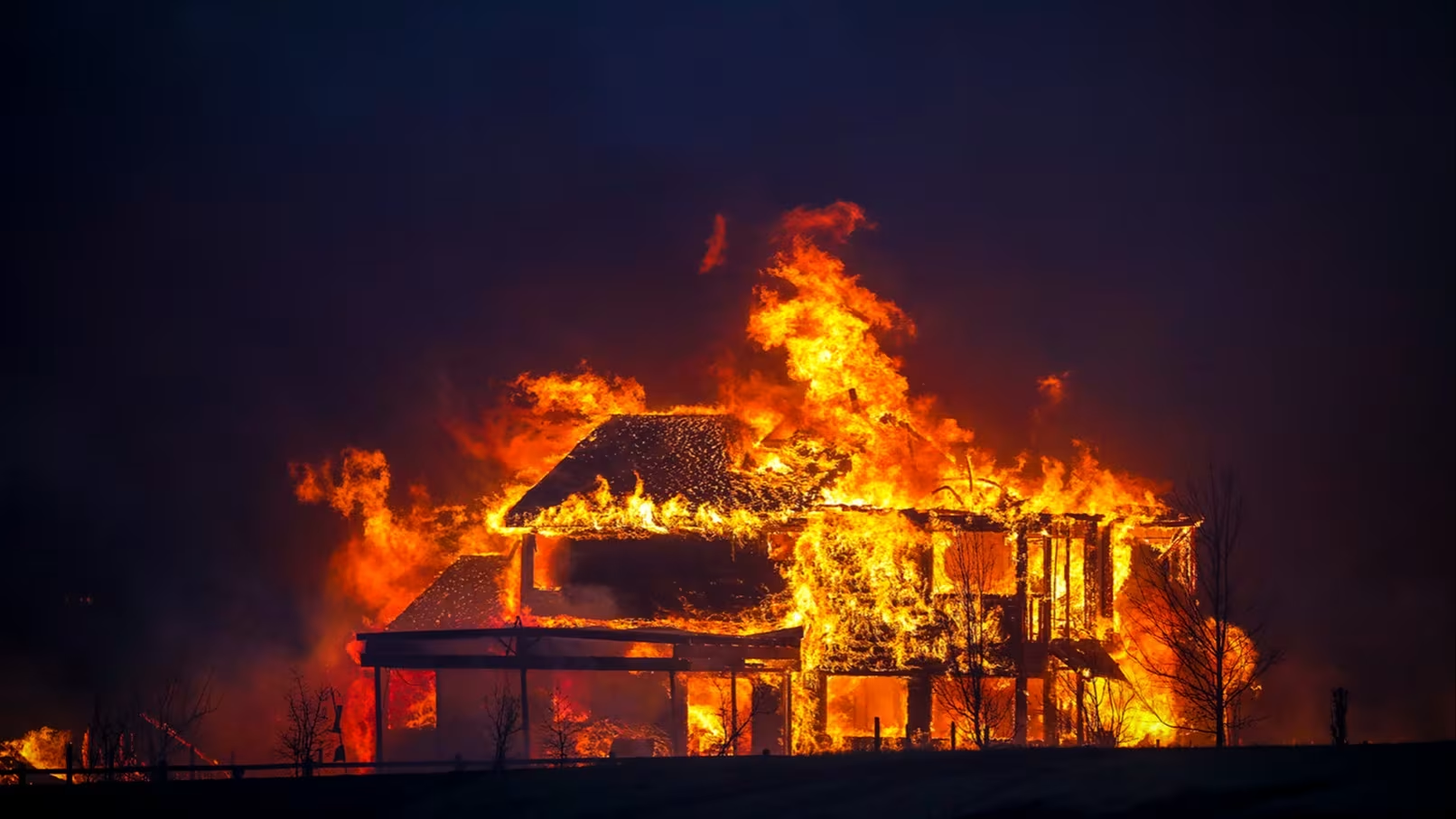
Colorado is leading the way in wildfire insurance reform, offering premium discounts to homeowners who harden their properties against fire risk.
Read More
Xcel Energy will pay $640 million to settle lawsuits over Colorado’s devastating 2021 Marshall Fire, which killed two people and destroyed nearly 1,000 homes.
Read More%20(1).png)
.png)
