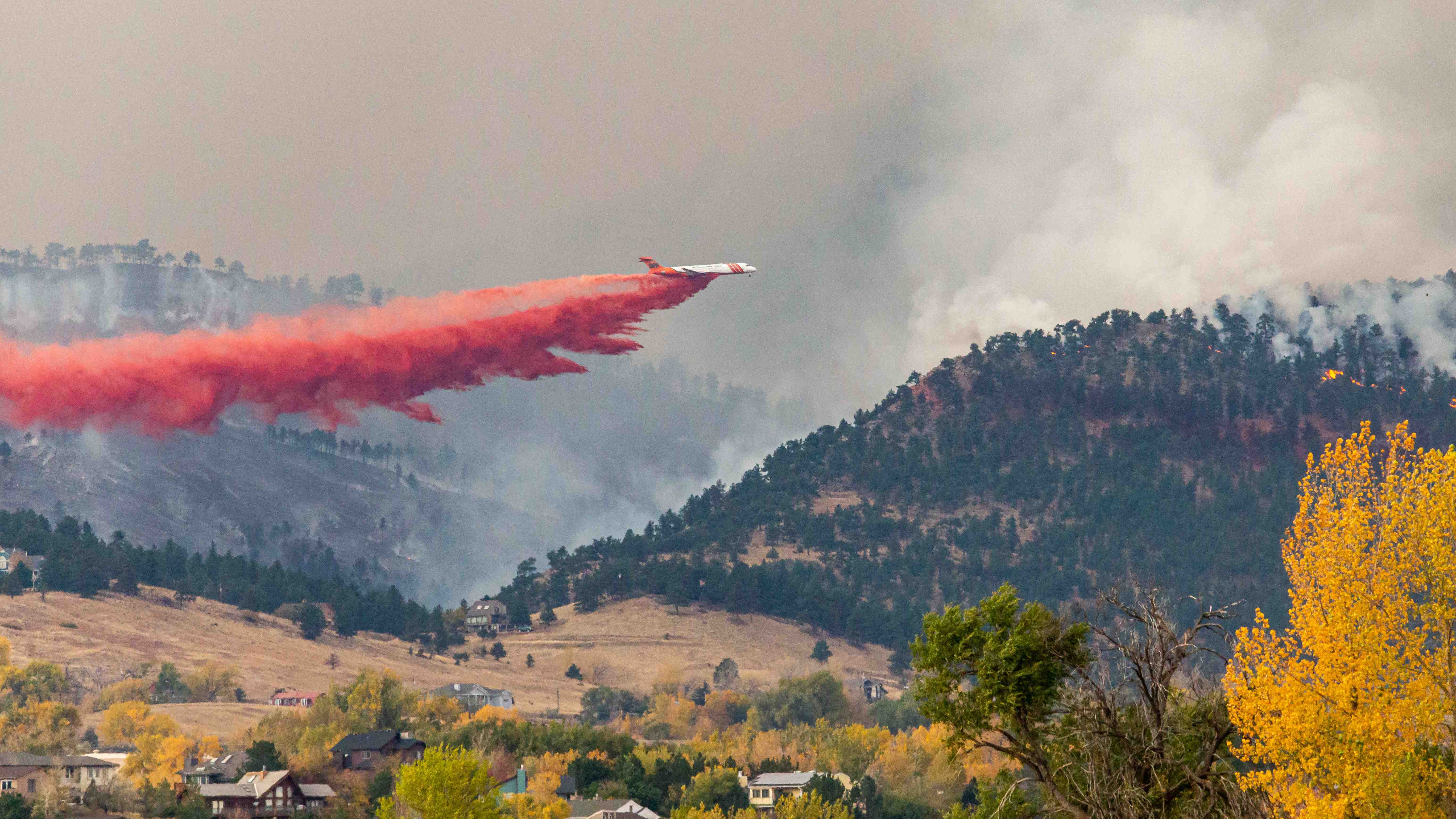

With over 44 million homes in the wildland urban interface (WUI) and the increased frequency of wildfire there is no better time to protect your home.
Colorado structures destroyed by wildfire, 2006–2025
of Coloradans live in the wildland-urban interface
average Colorado homeowners insurance increase, 2018–2023
more likely to survive a wildfire with defensible space
Sources: Headwaters Economics (federal incident data, 2006–2025); Colorado State Forest Service; Rocky Mountain Insurance Association.
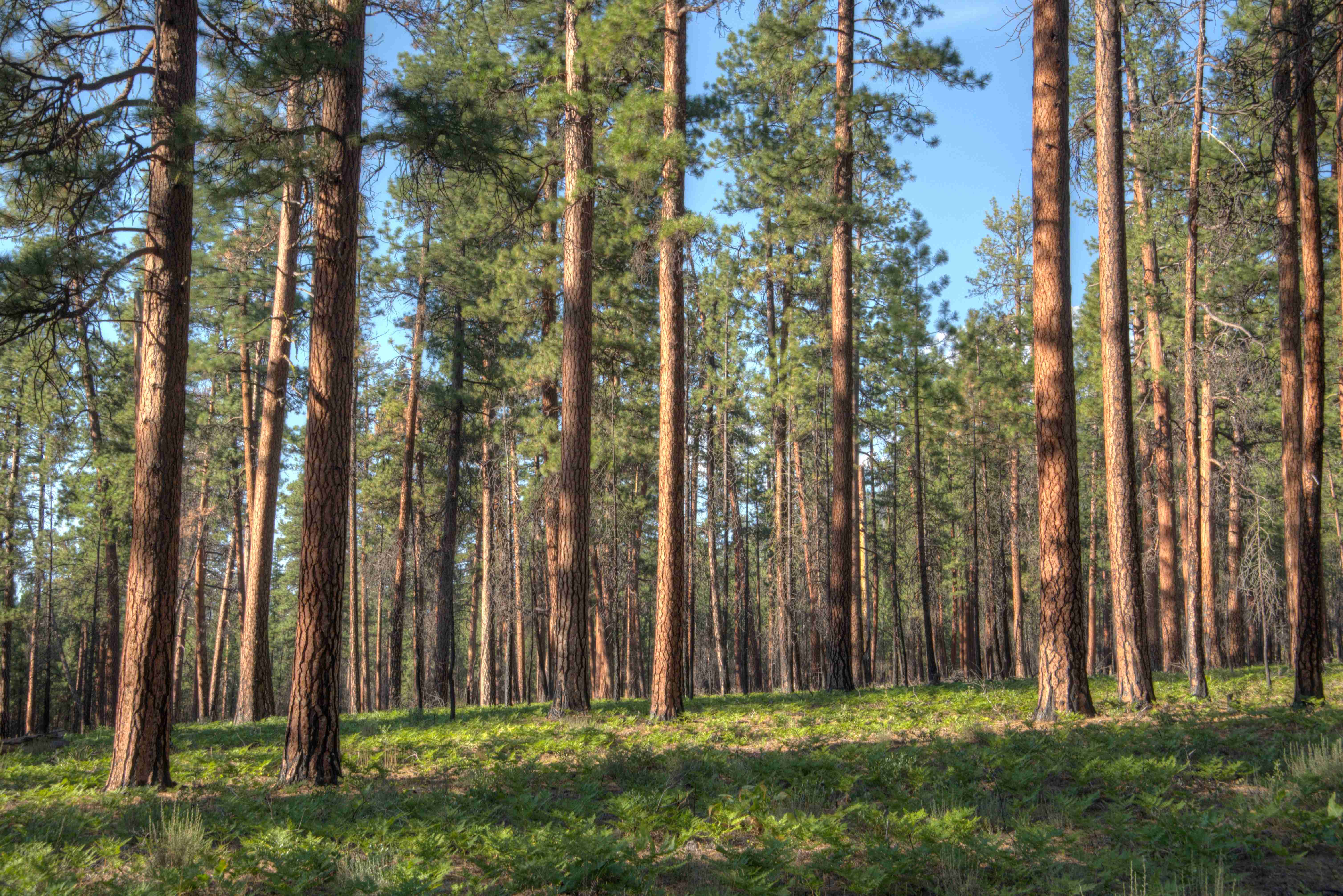
Wildfire mitigation and defensible space across the Colorado foothills.
Since Colorado's insurance rules changed in July 2026, insurers using wildfire risk models must account for documented mitigation or offer discounts for it — and must give you a way to appeal your risk score.
What changed in Colorado this yearIf you own property in the Colorado foothills, 2026 changed the rules on you twice.
Building codes: Colorado's statewide Wildfire Resiliency Code rolled out across wildland-urban interface jurisdictions through 2026. Jefferson County's version took effect for permits applied for on or after July 1, 2026, along with an expanded WUI boundary map. It isn't retroactive — living in your existing home triggers nothing — but it applies when you pull a permit for new construction or significant exterior work.
Insurance: HB25-1182 took effect July 1, 2026. Insurers using wildfire risk models must now disclose your wildfire risk score annually, account for mitigation in their models or offer discounts for documented work, and give you a process to appeal.
The practical effect of both:
Mitigation is worth more when it's documented, and undocumented work is worth considerably less. Every project we complete comes with a mitigation packet built for exactly this.
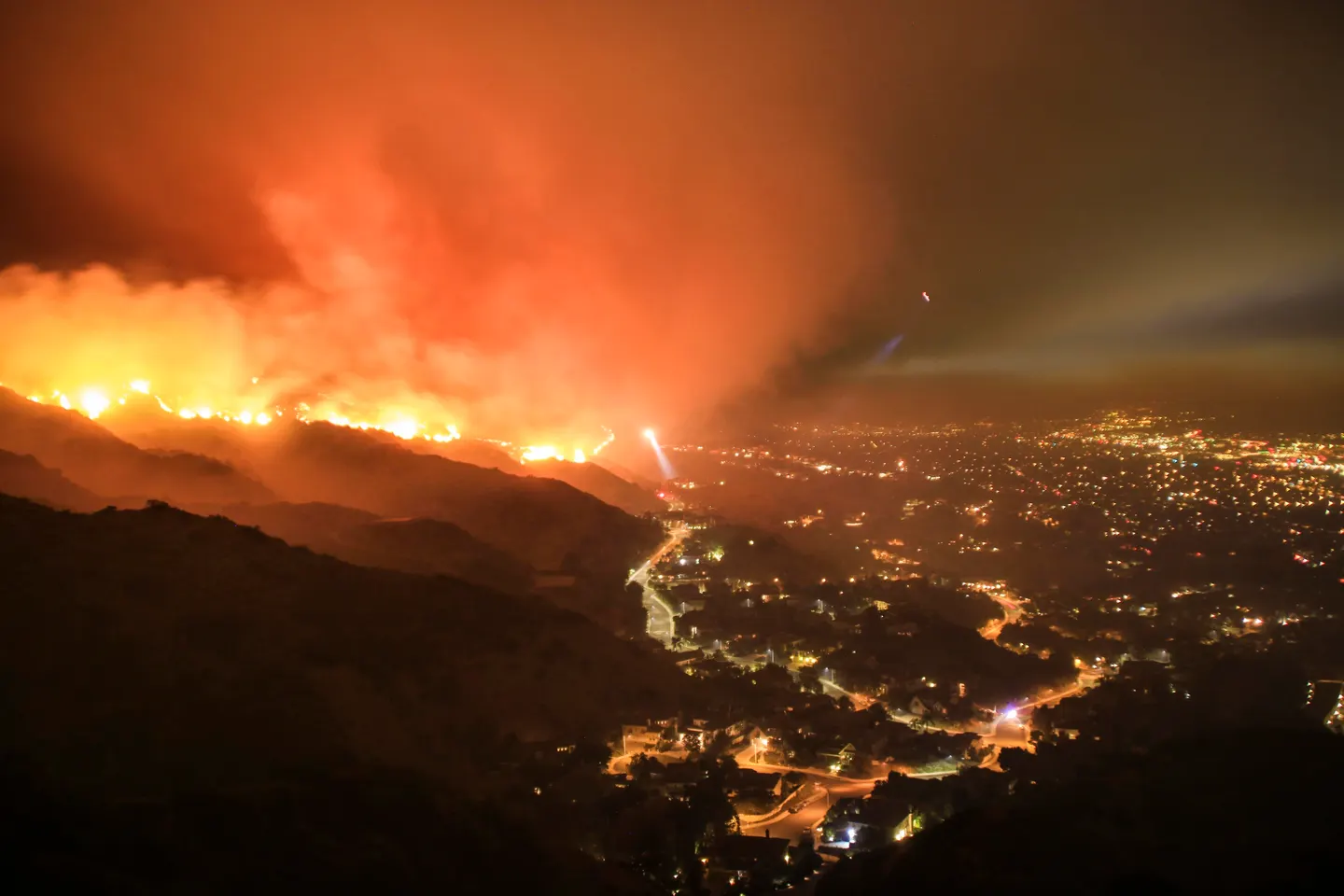
California wildfire victims face complex and sometimes unexpected tax consequences on insurance and lawsuit recoveries, with temporary federal exemptions ending after 2025. California recently enacted and amended broad tax exclusions under Sections 17138.7 and 23409.2, extending tax-free treatment to most wildfire settlements received from 2021 through 2030, including direct settlements and trust distributions. Although the definition of a qualifying wildfire is now more specific, most major fires meet the criteria, making the new state-level relief widely accessible even as federal benefits expire.
Read More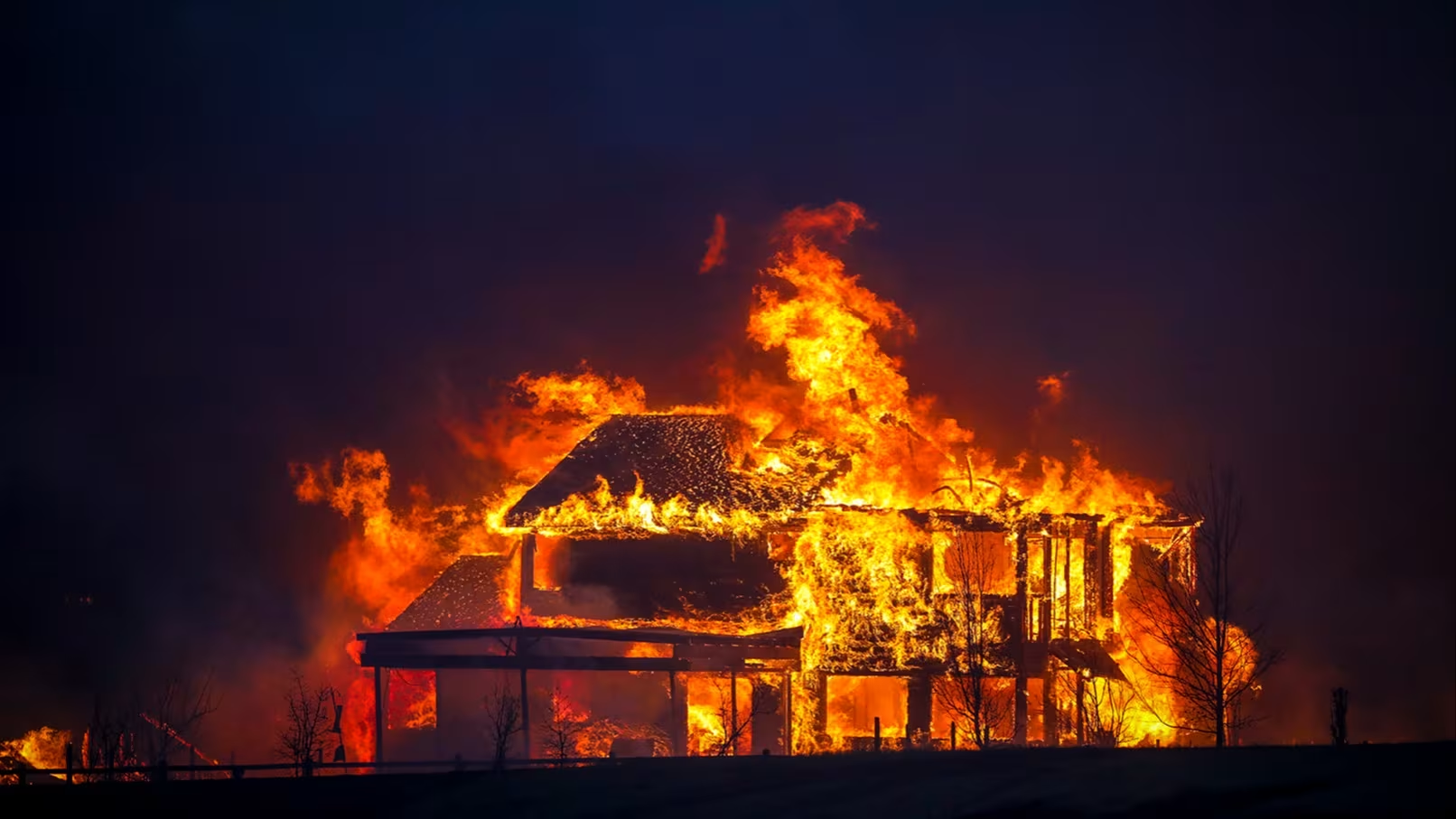
Colorado is leading the way in wildfire insurance reform, offering premium discounts to homeowners who harden their properties against fire risk.
Read More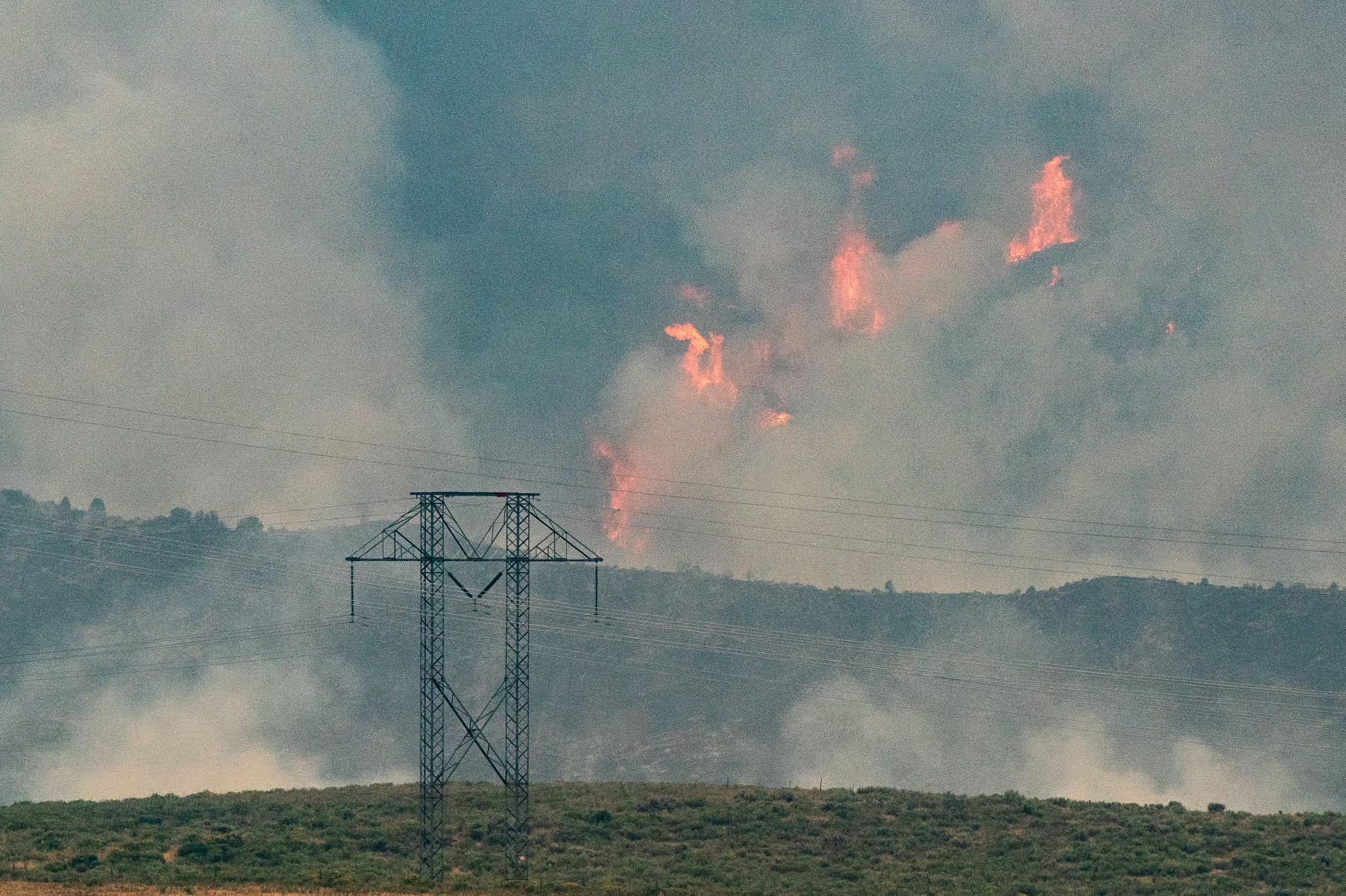
The Lee Fire is on track to surpass the historic Hayman Fire as Colorado research shows wildfires are growing larger, faster, and more frequent in a new era of megafires.
Read More%20(1).png)

