The Colorado State Forest Service's 2025 forest health report, published in May 2026, names mountain pine beetle as the state's top forest health concern.
The Front Range outbreak expanded by about 148% in a single year — from 2,236 acres in 2024 to 5,544 acres in 2025 — across Larimer, Boulder, Gilpin, Jefferson, Clear Creek, Teller, Park, Douglas and El Paso counties. That's the ground we work.
Two consecutive years of above-average temperatures and below-average precipitation are behind it. Drought-stressed trees can't produce enough pitch to push attacking beetles out, so healthy-looking stands become vulnerable. After a record warm winter and low snowpack, the state expects infestations to intensify.
Worth being accurate about the scale, though: as of May 2026 the state forest service describes the Front Range outbreak as not yet at epidemic status. As the state forester put it, it isn't cause for panic, but it is a reason to get to work. That's the right framing, and anyone telling you your trees are doomed is selling.
If you've lived in Colorado twenty years, the phrase means the lodgepole epidemic that turned whole mountainsides red in the 2000s.
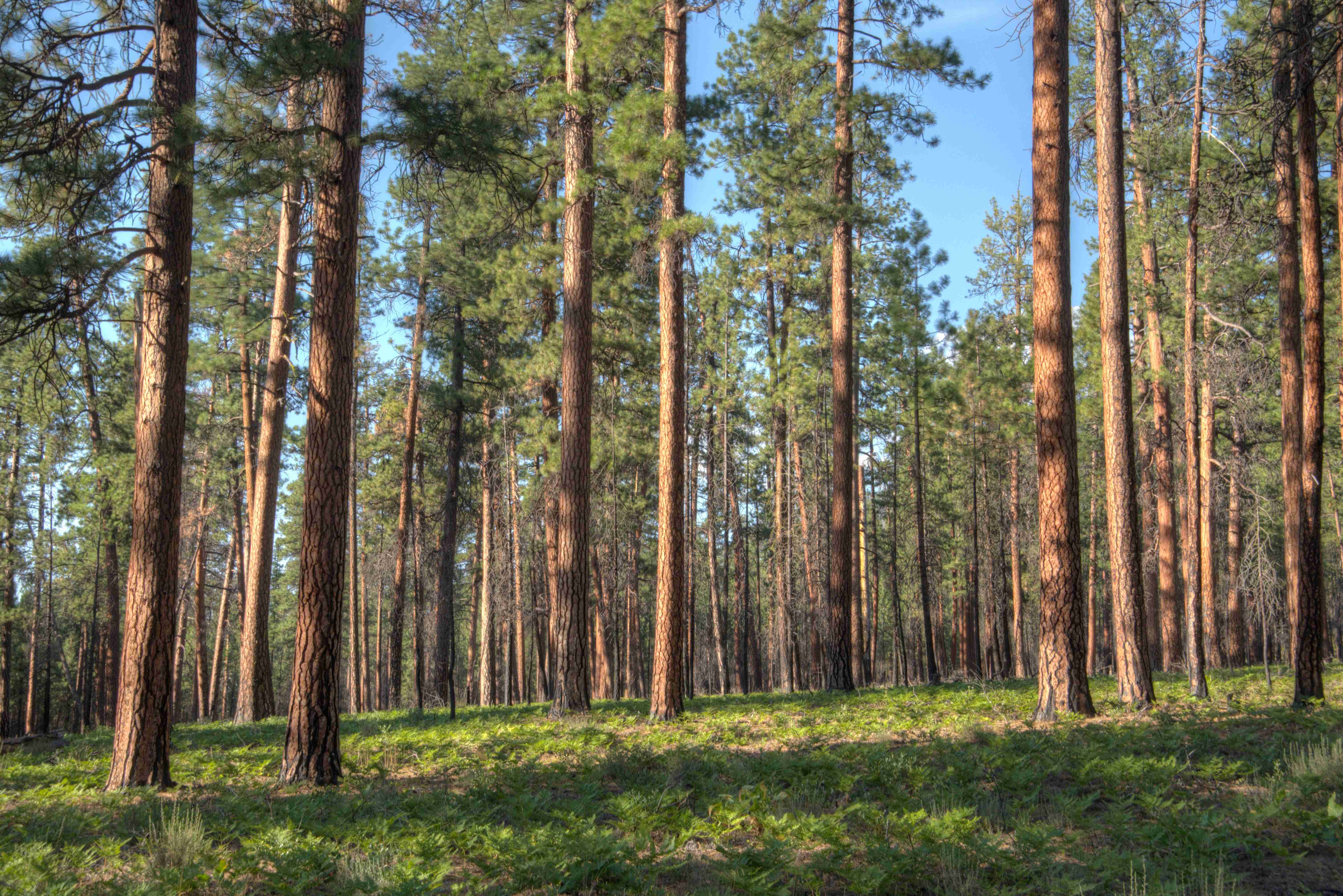
What's happening on the Front Range now is different. It's mountain pine beetle in ponderosa pine — lower elevation, closer to where people actually live, and in stands that surround foothills subdivisions rather than remote high country.
The other insects at work here are worth knowing apart, because they behave differently and the response differs:
Mountain pine beetle kills ponderosa and lodgepole pine. This is the Front Range concern.
Douglas-fir beetle is killing Douglas-fir across central and southern Colorado, including parts of Teller County.
Western spruce budworm is the most widespread pest in the state, defoliating Douglas-fir and low-elevation mixed conifer. It rarely kills a tree outright — it weakens it, and Douglas-fir beetle finishes the job.
Western balsam bark beetle works on subalpine fir at high elevation.
We'll tell you what you've actually got, because the answer changes what's worth doing.
Pitch tubes — popcorn-sized blobs of resin on the trunk where the tree tried to push a beetle out. White or cream means it may have won. Reddish-brown means the beetle got in.
Boring dust — fine sawdust that looks like coffee grounds in bark crevices and at the base of the trunk. It's the clearest early sign and it's easy to miss.
Woodpecker activity — flaked bark and fresh holes. Woodpeckers find beetles before people do.
Crown colour — and this is the one that misleads. A tree attacked this summer stays green until the following spring, then fades to yellow, then red, then drops its needles and turns gray over a couple of years.
That last point matters more than any other on this page. By the time a tree is red, the beetles that killed it have already left and moved into your other trees. The green trees near a red one are often the ones that need attention.
Mountain pine beetles are on the wing for a defined period each year. Colorado State Forest Service trapping since 2023 shows flight typically starting in early July, peaking in the last week of July and first week of August, and finishing by the first week of September.
That creates a real deadline. An infested green tree still holds beetles under the bark. Cut and treat it before flight, and those beetles never reach your other trees. Leave it, and they emerge and spread.
Which is why winter and spring are the right time to deal with currently-infested trees, and why a call in August about a tree that faded in June is a different conversation from a call in February.
Dead gray trees are not urgent in the same way — the beetles are long gone. Those are a fire and safety question rather than a spread question.
What we do
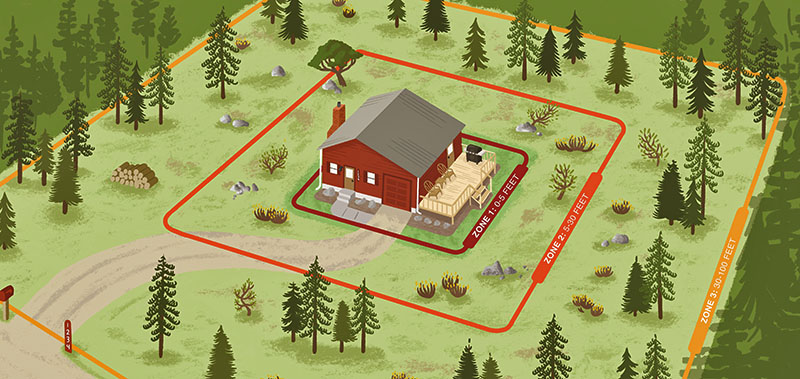
Remove standing dead where it matters — near structures, along access routes and driveways, over anywhere people walk or work, and where it adds to fuel loading close to the house.
Remove and treat infested green trees before beetle flight, so the population inside them doesn't reach the rest of your stand.
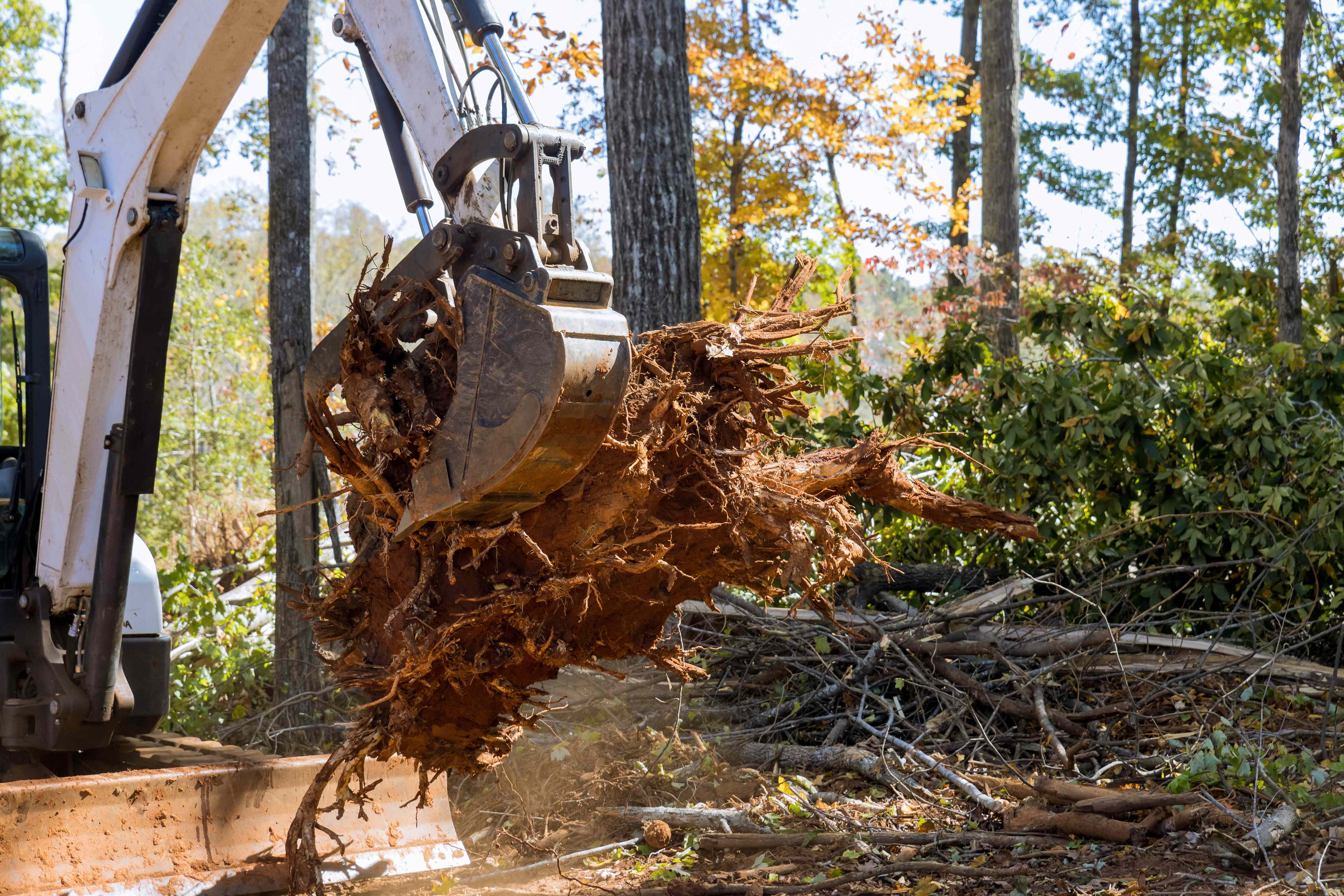
Treat the material, which is the part that gets overlooked. Infested logs and slash left on the ground continue to produce beetles. Chipping, removal or proper handling of infested wood is part of the job, not an afterthought.
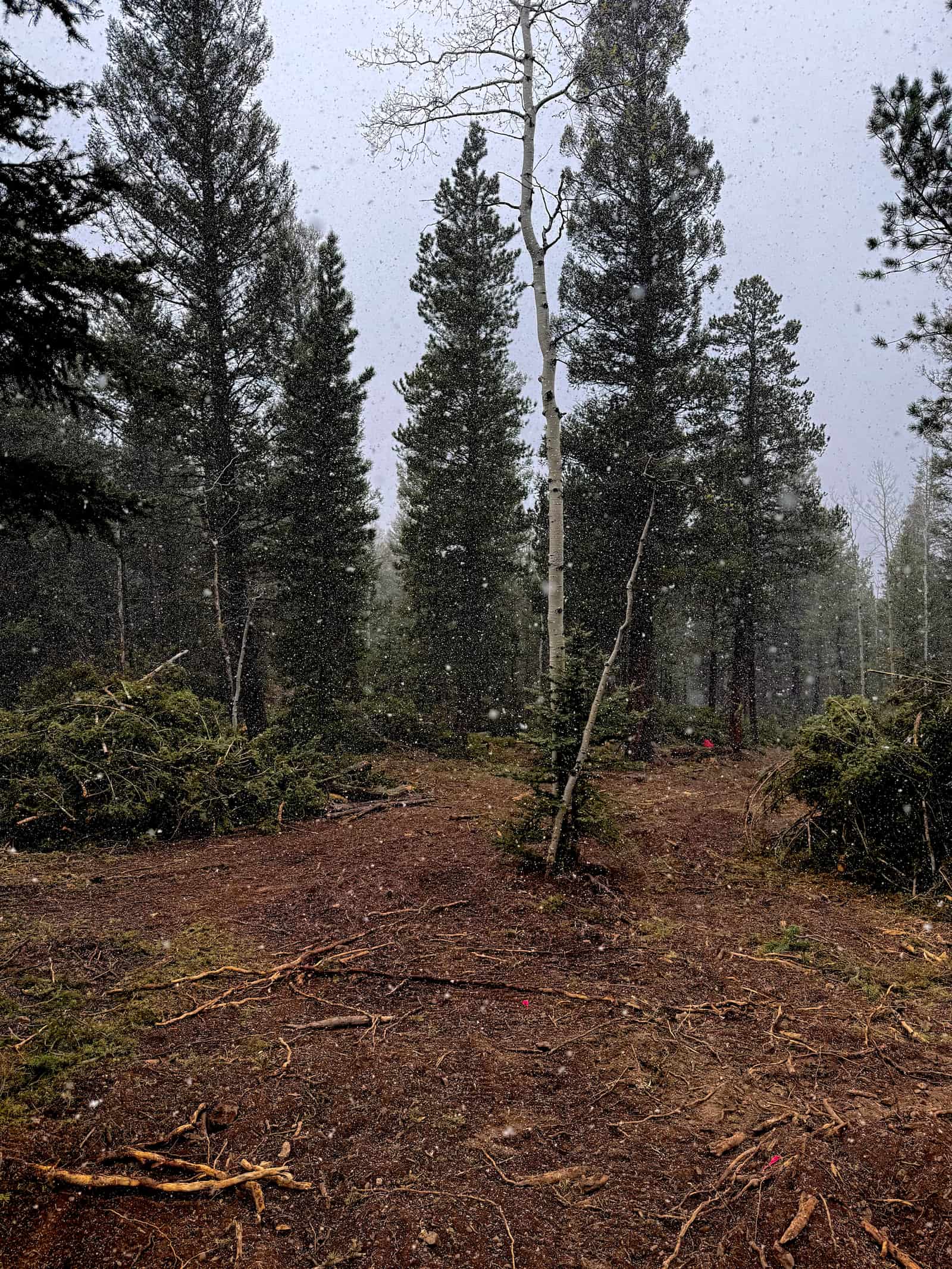
Thin the stand, which is the only thing that changes your odds long term. Overstocked stands are what beetles exploit — too many stems competing for too little water leaves every tree too stressed to defend itself. Thinning gives the trees you keep the resources to produce pitch.
Assess honestly. Not every dead tree needs to come out, and we'll say so.
What we don't do: chemical or pheromone treatment. Protecting individual high-value green trees before beetle flight is real and it works — whether with a registered insecticide or with verbenone pheromone packets, which signal to beetles that a tree is already full. Both count as pesticide application under Colorado law when done for hire, and both require a Department of Agriculture commercial applicator license. We don't hold one, so we don't do it. If that's what your property needs, we'll say so and point you to someone licensed rather than take the job.
No, and anyone who tells you otherwise hasn't walked your property.
Priority is anything with something underneath it — a house, a driveway, a power line, a fence line you use, ground where people work. A dead tree over a structure is a hazard tree regardless of what killed it, and fire-weakened or beetle-killed timber fails without warning.
Away from all that, standing dead has genuine ecological value. Cavity-nesting birds use it, and it's part of a functioning forest. On a large parcel, taking out every gray stem is expensive, unnecessary, and worse for the land.
The question is never how dead the tree is. It's what's underneath it and what it does to fire behavior where it stands.
Dead trees change how fire behaves, and the effect shifts depending on how long they've been dead.
Red-phase trees still holding dry needles are the most volatile — a canopy full of cured needles carries crown fire readily. Once needles drop, the crown fire risk falls but the surface fuel load rises, because everything that was up in the tree is now on the ground. Years later, gray standing timber is a falling hazard for firefighters and an ember source that throws sparks well ahead of a fire front.
None of those phases is good news near a house. The response differs, though, and that's what the assessment is for.
Thinning, and why it's the actual answer
Removing dead trees deals with what's already happened. Thinning deals with what happens next.
Beetles succeed in overstocked stands because competition for water leaves every tree too stressed to defend itself. A thinned stand with proper spacing produces trees with enough vigor to pitch out an attack. It's slower and less visible than removal, and it's the only intervention that changes your position over years rather than seasons.
On most foothills properties, beetle-kill removal and fuels reduction are the same visit. Taking the dead out and leaving an overstocked stand behind treats the symptom.
Is my tree dead or just stressed?
Crown color lags by a season, so it's not reliable on its own. Look for pitch tubes, boring dust like coffee grounds at the base, and woodpecker flaking. We'll tell you what you're looking at during the assessment.
Can I stop it spreading to my other trees?
Partly. Removing and treating infested trees before beetle flight — which runs July into early September — keeps that population from reaching the rest of your stand. Thinning improves your odds long term. Neither is a guarantee, and neighboring untreated ground affects your outcome.
When should the work be done?
Infested green trees before July. Dead gray timber whenever — the beetles are gone and it's a fire and safety question. Winter is often the best time to schedule: ground conditions are better and the calendar is less crowded.
Can I burn the wood?
Check locally before you do anything. Several areas we work don't permit open burning at all, and infested material needs handling that actually kills the beetles rather than just moving them. We chip or haul as part of the job.
Can I use it for firewood?
Beetle-killed wood burns fine once it's dry. But moving infested green wood spreads the problem, so don't haul it to another property. And it should be split and stacked well away from the house — never against a wall or under a deck.
What about pheromone packets? Do they work?
Verbenone packets mimic the signal beetles give off when a tree is already full, telling others to go elsewhere. Studies show varying success and it isn't a guarantee, but it's a genuine tool for protecting specific high-value trees. Applying it for hire requires a Colorado pesticide applicator license, which we don't hold — so we'll tell you honestly whether your property is a candidate and refer you to someone licensed. Homeowners can also buy and apply it themselves.
Is there funding for this?
Sometimes. Cost-share programs and the state mitigation tax credit can apply, particularly on larger acreage. Timing matters, because several programs need approval before work starts.
Beetle kill tree removal across the Colorado foothills — Evergreen, Conifer, Bailey, Golden, Woodland Park and Nederland — and throughout Jefferson, Park, Teller, Boulder, Larimer, Douglas and El Paso counties, which is where the current Front Range outbreak sits.
The questions we get asked on nearly every property walk — cost, funding, and what it means for your insurance.
Wood production is a complex and vital industry that involves the cultivation, harvesting, processing, and utilization of wood for various purposes. It serves as a cornerstone in numerous sectors.
%20(1).png)
