.png)

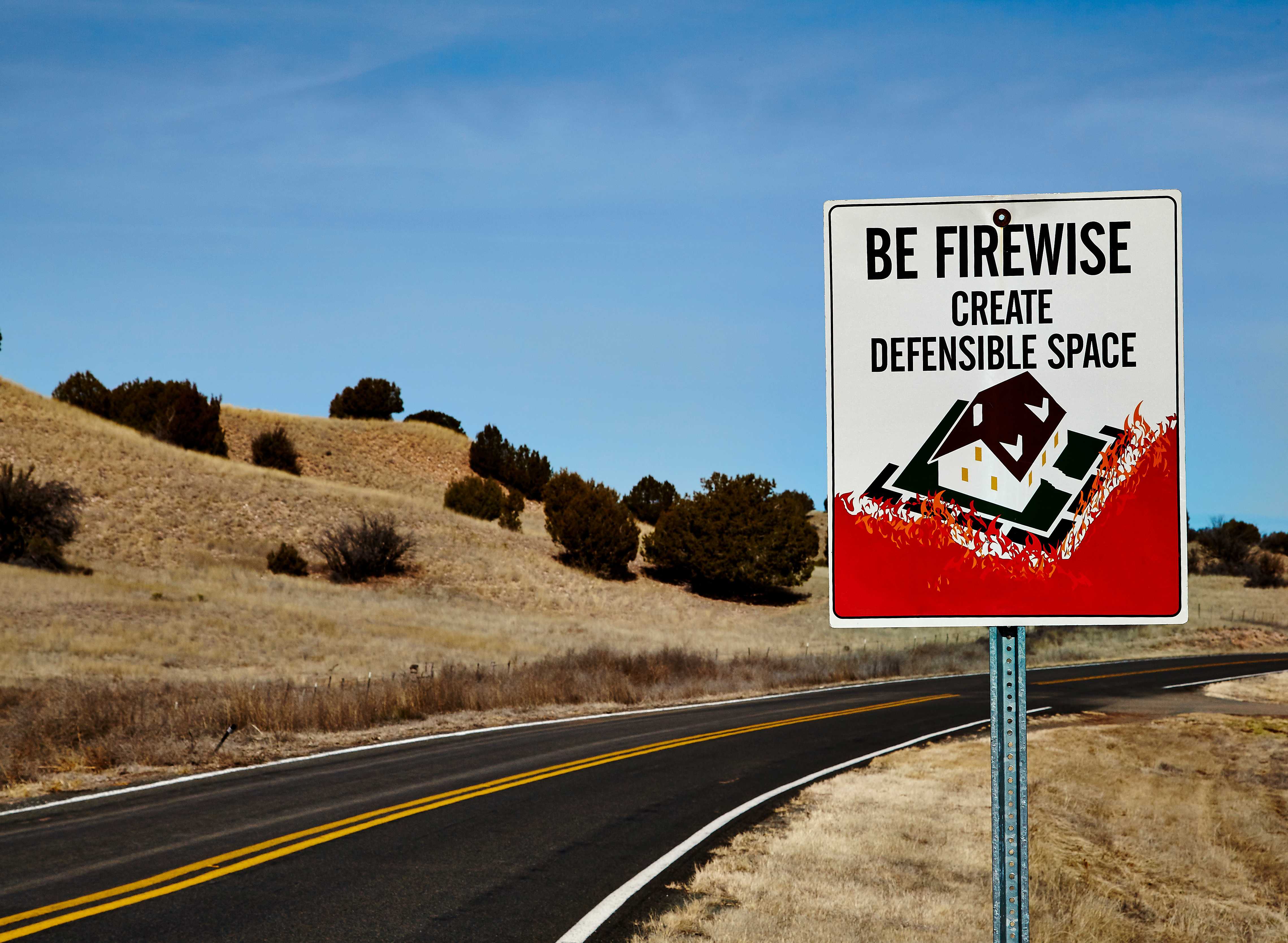
Evergreen sits squarely in Colorado's wildland-urban interface. Dense ponderosa and lodgepole, steep drainages, narrow county roads, and homes tucked deep into the trees — it's why people move here, and it's also why wildfire risk in this corner of Jefferson County is as serious as anywhere on the Front Range. We're Colorado Wildfire Mitigation, a firefighter-owned company working throughout Evergreen, Bergen Park, Kittredge, Indian Hills, and the surrounding foothills. Our crews have stood on real firelines. We know what actually stops a fire at a house — and what just looks tidy. We’re not just a mitigation company. We are wildland firefighters who have seen firsthand what saves homes and what doesn’t during a wildfire. That experience drives everything we do. Founded in 2025 with the goal of providing homeowners and communities what they need to have their home survive a wildfire. There are far too many homes without preparation, and that's how Colorado Wildfire Mitigation was founded. Being proactive is always better than reactive, especially in emergency situations.
Most Evergreen lots are timbered right up to the structure, which is exactly the condition that carries fire to a home. Effective mitigation works outward from the house in zones.
Nothing that burns. No juniper against the siding, no wood mulch, no firewood stacked on the deck, no needle litter in the gutters or roof valleys. Thisfive-foot strip does more to save a house than anything else on the property, and it's the least expensive work we do.
Break up the fuel. Space the tree crowns, remove ladder fuels — the low limbs and understory that let a ground fire climb into the canopy — and clear dead material. Propane tanks and woodpiles move out of this zone entirely.
Thin the stand so a crown fire has to drop to the ground before it reaches your home; for those above a south- or west-facing slope, this zone needs to extend farther. On steeper Evergreen lots, particularly anything above a south- or west-facing slope, this zone needs to reach further downhill. Fire moves uphill fast.
Most of Evergreen sits above 6,400 feet, which places it inside JeffersonCounty's Wildland-Urban Interface Overlay District. In that district, the county requires a Defensible Space Permit for exterior construction that needs a building permit — a new structure, replacing an existing one, or an addition, decks included.
The sequence runs like this: an initial inspection by a County-approved forester before your building permit is issued, tree marking, the removal work itself, then a final inspection before the county will release your Certificate of Occupancy.
reason thJefferson County has been updating its wildfire regulations, so confirm current requirements with Jefferson County Planning & Zoning before you plan around them. And start early — mitigation work running behind schedule is a common reasonthe current requirements with Jefferson County Planning & Zoning before you plan around them a Certificate of Occupancy gets held up.
If your carrier has raised your premium, asked for photos, or warned you aboutnon-renewal, documentation matters nearly as much as the work itself. Every Evergreen project we finish comes with a mitigation packet — home ignition zone maps, before-and-after photography, and itemized receipts — so you have something concrete to put in front of your agent.
Evergreen homeowners have more support available than most people realize:
Evergreen Fire/Rescue offers defensible space home assessments and runs a chipping program for residents inside the district.
Jefferson County operates a seasonal slash collection with scheduleddrop-off locations for tree debris
scheduled drop-off.
The Colorado State Forest Service publishes the Home Ignition Zone guide and administers cost-share grant programs that can offset the cost of larger projects.
We'd rather you use all of these. Then call us for the work that needs equipment, climbing, hauling, or a crew.
These are the five steps taken to ensure your property is safe.
California wildfire victims face complex and sometimes unexpected tax consequences on insurance and lawsuit recoveries, with temporary federal exemptions ending after 2025. California recently enacted and amended broad tax exclusions under Sections 17138.7 and 23409.2, extending tax-free treatment to most wildfire settlements received from 2021 through 2030, including direct settlements and trust distributions. Although the definition of a qualifying wildfire is now more specific, most major fires meet the criteria, making the new state-level relief widely accessible even as federal benefits expire.
Read More
Colorado is leading the way in wildfire insurance reform, offering premium discounts to homeowners who harden their properties against fire risk.
Read More
The Lee Fire is on track to surpass the historic Hayman Fire as Colorado research shows wildfires are growing larger, faster, and more frequent in a new era of megafires.
Read More%20(1).png)